

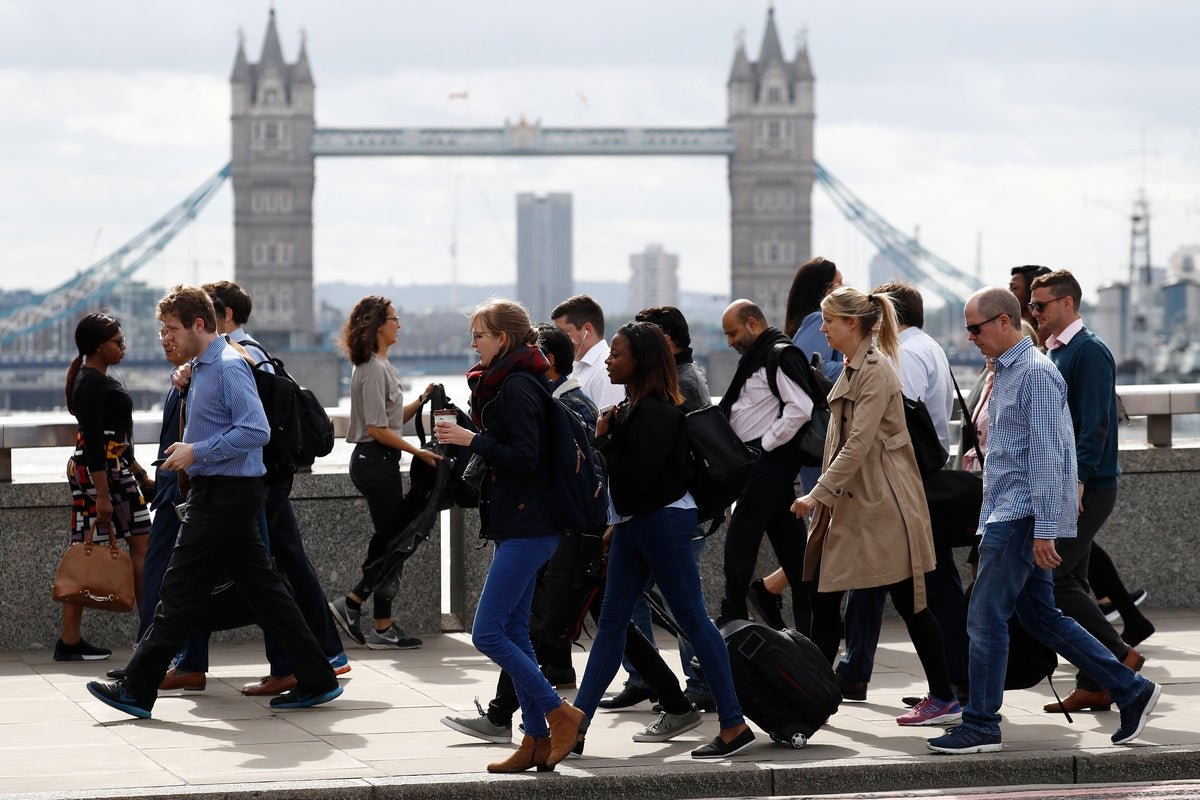
Have you ever wondered why your boss wants you back in the office full-time, rather than allowing hybrid work, where you can combine work from home and in an office? A fascinating study just shed fresh light on this topic
Research published last month found narcissistic leaders – those with a tendency to be self-centred and entitled – were more likely than others to resist remote work. Why? The study concluded “it interferes with their motivations for power and status”
Here’s what the latest study found – and how it fits into the broader research on whether employers get better results from making staff return to the office, or allowing some flexibility to work from home
What prompted the new study?
The recent study was conducted by three Wharton School researchers: PhD candidates Marissa Shandell and Courtney Elliott, and high-profile author and professor in organisational psychology, Adam Grant
Conducted over six years, the trio undertook three separate studies with more than 1,000 company executives, middle managers and supervisors. These examined the relationship between bosses’ personalities and their views on remote work

In the first study, the authors analysed 259 Fortune 500 chief executive officers, using established indicators of narcissism from previous research such as:
- the prominence of the CEO’s photograph in the annual report
- the size of the CEO’s signature
- and relative compensation (both cash and non-cash) compared with the second-highest paid executive.
These indicators have been used in previous research as behavioural markers of narcissistic self-focus and entitlement. The researchers then examined public statements by the same CEOs about remote work
In the second study, the researchers surveyed 359 leaders measuring narcissism using the “short dark triad” scale, alongside other traits and motivations including Machiavellianism, psychopathy, power and status motivation, and trust in employees. They then measured the leaders’ self-reported attitudes toward remote and hybrid arrangements
The final study was an experiment with 546 leaders. Participants were randomly assigned to either a “narcissism condition” group or a control group, before filling in a survey
About the author
Libby (Elizabeth) Sander is an MBA Director & Associate Professor of Organisational Behaviour, Bond Business School, Bond University
This article was first published by The Conversation and is republished under a Creative Commons licence. Read the original article
Those in the “narcissism” group were prompted before the survey to read about successful CEOs, described as confident, self-centred visionaries willing to prioritise their own ambitions and instincts over others’ input. Leaders in the narcissism group subsequently expressed greater resistance to remote work
Across all three studies, narcissism was the only factor that consistently predicted leaders’ objections to remote work
Summarising their findings for the New York Times, the authors concluded: “The higher the opinions of themselves leaders expressed, the more they coveted power and status — and the more they favoured full-time return-to-office mandates.”
International return-to-office trends
Since the pandemic ended, some corporate leaders have pushed harder than others to get staff back to the office
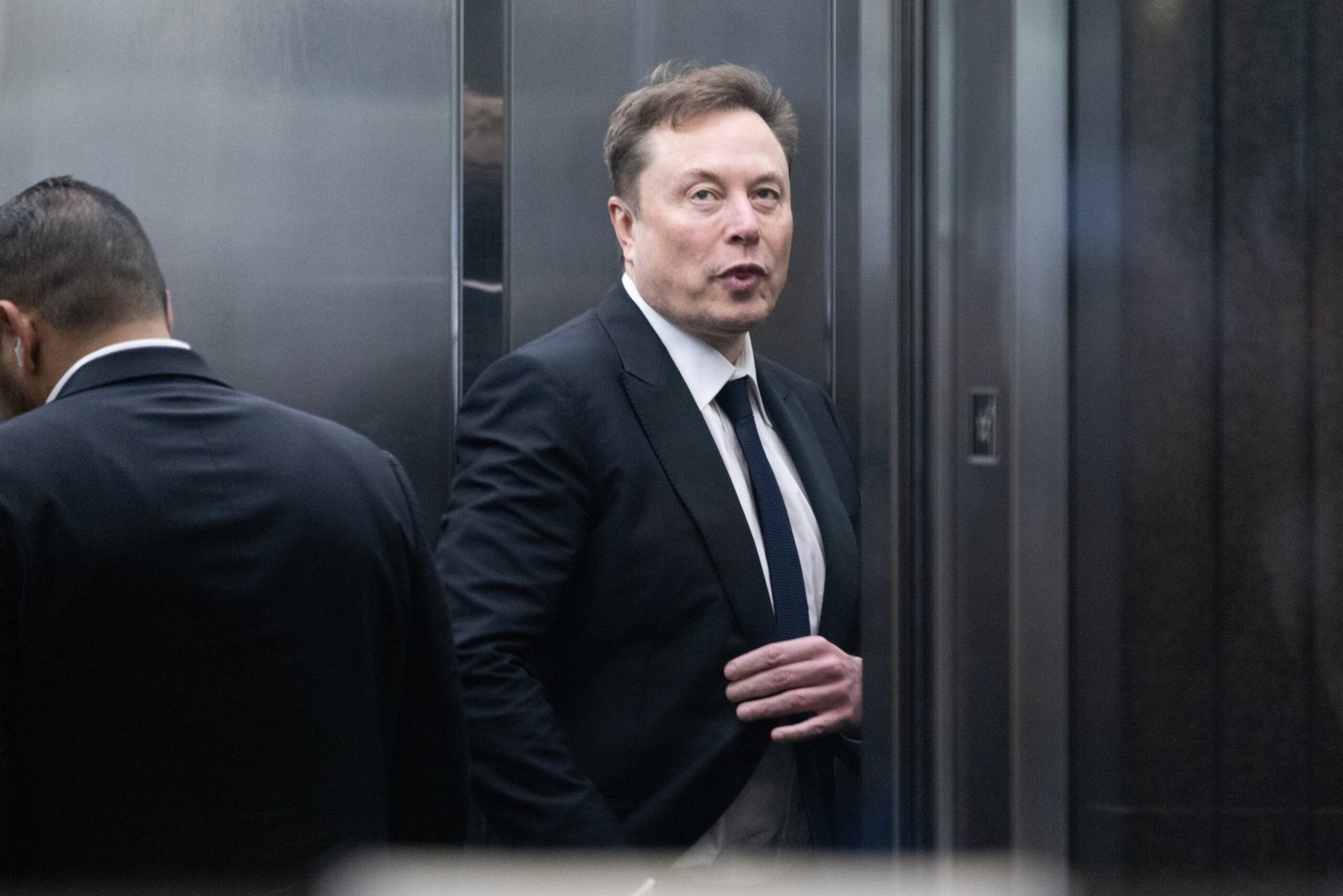
In 2023, Tesla chief executive Elon Musk criticised “the laptop class” for wanting the right to stay home, when service workers didn’t have the same choices. Last year, JP Morgan CEO Jamie Dimon made an impassioned, expletive-laden speech to staff about getting back in the office full-time
Around a third of US companies have made it mandatory to return fully to the office. Yet despite those mandates at some US workplaces, official statistics show about 22.6% of US employees still worked remotely at least part-time as of March 2026
The latest data from Great Britain shows around 28% of working adults were still working under hybrid arrangements in early 2025
Hybrid work is more common in Australia. Official figures from August 2025 showed 36% of employed Australians usually worked from home
Many Australian workers have the right to at least request flexible work arrangements
One Australian state, Victoria, is set to go even further. From September this year, new laws will mean Victorians who can work from home will have the legal right to do so two days a week
The sweet spot of mixing office and home work
The recent narcissism study provides important new insights into why some leaders resist work from home
But of course there are many valid reasons for wanting staff in the office. If you’re an employer trying to do the right thing by your business and your employees, here’s what the wider evidence shows
For those worried about employees not working as hard at home, a randomised controlled trial compared Chinese workers in the office five days a week to a group in the office three days a week – and found no significant difference in productivity. The hybrid worker group reported significantly higher job satisfaction and work life balance, while being 33% less likely to resign
A 2024 study of top US companies shows that firms enforcing strict return to the office mandates showed no significant changes in financial performance or the value of the companies. They did, however, see significant declines in employees’ job satisfaction
A 2025 study found 70% of 26,000 workers across Europe, Asia-Pacific and the Americas rated location flexibility as important. It also found work-life balance was the top motivator for employees – ranking above pay for the first time since the survey began in 2003
A meta-analysis of 108 studies on remote work found beneficial effects across a range of important outcomes, including job satisfaction, organisational commitment, perceived organisational support, supervisor-rated performance, and turnover intentions
Overall, the evidence suggests a hybrid mix of work-from-home flexibility, with two to three days in the office, is the sweet spot for looking after both employers’ and employees’ needs
Related:
<a href="https://yoursite.com/automation-training-benin/" title="Digital Automation Training Benin: 5 Winning Skills Employers Demand in 2026″>
Digital Automation Training Benin: 5 Winning Skills Employers Demand in 2026
WhatsApp Marketing Automation Africa: 6 Dangerous Mistakes Brands Make in Nigeria
Want to learn this practically?
Join Justfine Infotech and build real digital skills in AI, automation, web development, digital marketing, office productivity, e-commerce, freelancing and cybersecurity.
Available Programmes:
6 Weeks Certificate • 3 Months Professional Certificate • 6 Months Diploma • Full Professional Diploma
WhatsApp:
+229 01 57 57 99 15
+229 01 66 68 11 60
Source: www.independent.co.uk


 English (UK)
  Français