

col-xs-12
col-sm-12
col-md-1
col-lg-1
col-xs-12
col-sm-12
col-md-10
col-lg-10
col-xs-12
col-sm-12
col-md-1
col-lg-1
col-xs-12
col-sm-12
col-md-12
col-lg-12
Default alt
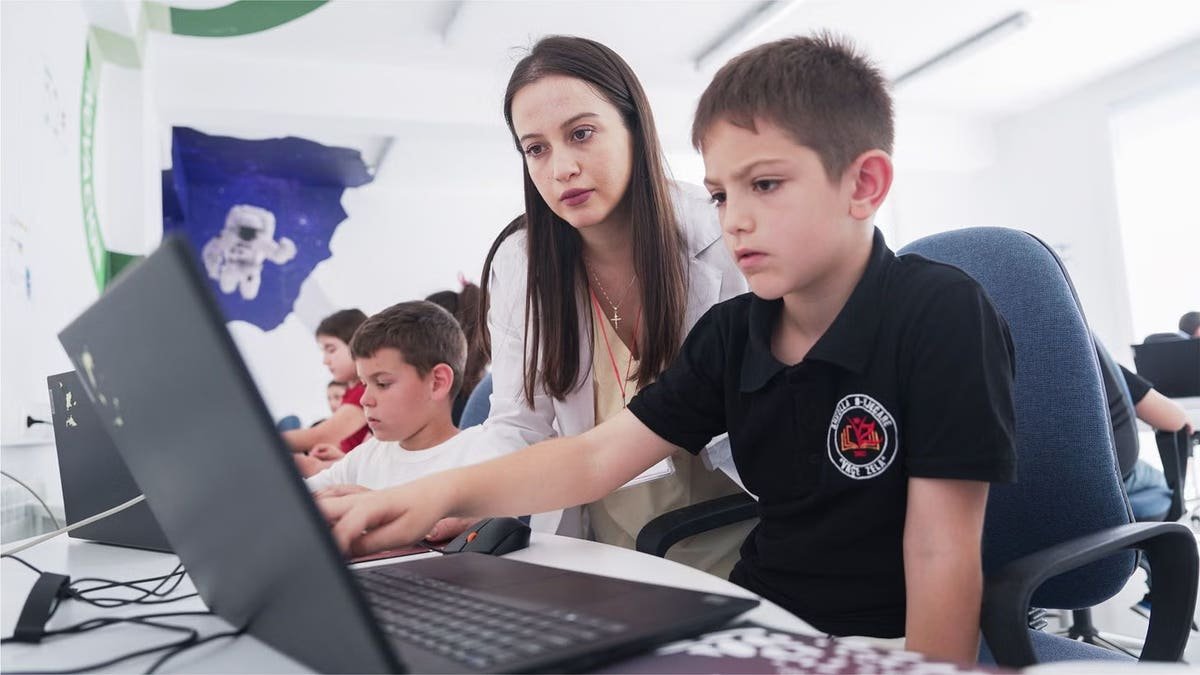
At Tirana’s Vaçe Zela School, teacher Anxhela Ndoj helps a student troubleshoot a coding assignment
World Bank
col-xs-12
col-sm-12
col-md-3
col-lg-3
col-xs-12
col-sm-12
col-md-7
col-lg-7
- font-medium
- bg_blue_05
Story Highlights
- With World Bank Group support, Albania is transforming learning through a GovTech approach that combines technology, teacher training, and institutional reforms.
- Through 216 new SmartLabs established across the country, over 70,000 students are developing digital, problem-solving, and critical-thinking skills needed for the jobs of tomorrow.
- More than 800 educators have been trained to integrate digital tools, coding, and interactive learning methods into their classrooms, helping transform how children learn and engage with new technology.
col-xs-12
col-sm-12
col-md-2
col-lg-2
col-xs-12
col-sm-12
col-md-3
col-lg-3
col-xs-12
col-sm-12
col-md-7
col-lg-7
- lp-body-content
- first-letter
“When I grow up, I want to become an engineer. I don’t think I will only use technology, I want to create new technologies and new platforms.”
For Natan, a ten-year-old student at Bedrie Bebeziqi School in Durrës, technology is no longer just something he uses. It is becoming part of the future he imagines for himself
Across Albania, children as young as six are now learning to code, exploring digital platforms, and developing skills that could shape their future careers through 216 new SmartLabs — technology-equipped learning spaces — established as part of a World Bank Group-supported project. By investing in these facilities alongside teacher training and curriculum reforms, Albania’s experiment with GovTech in the classroom is paying off, with over 70,000 students like Natan across the country gaining digital skills and hands-on experience while learning to collaborate, solve problems, and think critically.
col-xs-12
col-sm-12
col-md-2
col-lg-2
- lp-body-content
- first-letter
col-xs-12
col-sm-12
col-md-1
col-lg-1
col-xs-12
col-sm-12
col-md-11
col-lg-11
dynamic-media
https://delivery-p136806-e1377785.adobeaemcloud.com/adobe/assets/urn:aaid:aem:ad12c08e-8704-4920-976f-bc6ce0277fdf/play?assetname=Albania-Durres-SmartLab-Classroom.mp4
worldbank/Albania-Durres-SmartLab-Classroom
https://worldbank.scene7.com/
worldbank/Albania-Durres-SmartLab-Classroom-AVS
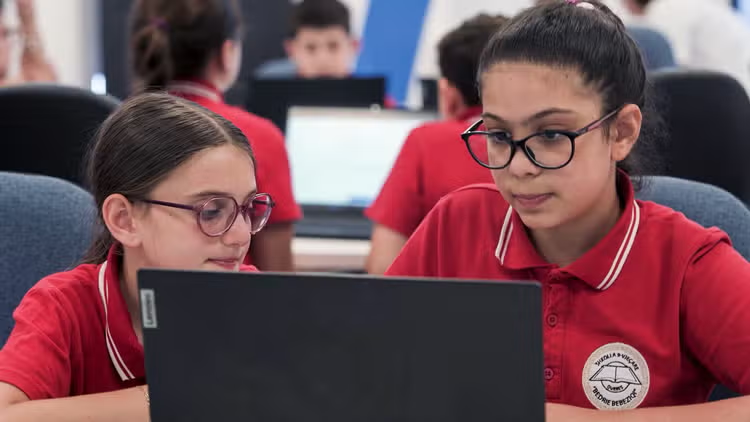
Students at Bedrie Bebeziqi School in Durrës are learning valuable digital skills in a new SmartLab facility
col-xs-12
col-sm-12
col-md-12
col-lg-12

- feature story
Cheaper and Faster Payments: SEPA Opens New Horizons for the Western Balkans
https://www.worldbank.org/en/news/feature/2026/03/25/cheaper-and-faster-payments-sepa-opens-new-horizons-for-the-western-balkans
default alt
mini-card
- feature story
Broadband Access Transforms Rural Life Across the Kyrgyz Republic
https://www.worldbank.org/en/news/feature/2026/04/23/broadband-access-transforms-rural-life-across-kyrgyz-republic
default alt
mini-card

- feature story
How Heritage Tourism Is Creating Jobs and Revitalizing Southern Albania
https://www.worldbank.org/en/news/feature/2025/08/12/how-heritage-tourism-is-creating-jobs-and-revitalizing-southern-albania
default alt
mini-card
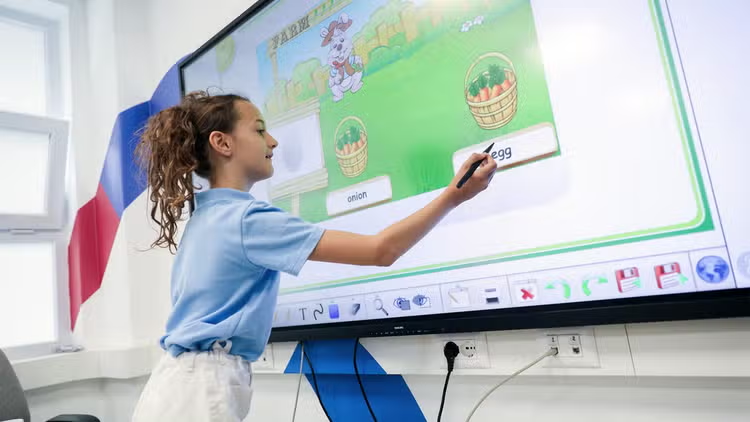
A student at an elementary school in Lezhë, Albania interacts with a smart board
A student at an elementary school in Lezhë, Albania interacts with a smart board
World Bank
col-xs-12
col-sm-12
col-md-3
col-lg-3
col-xs-12
col-sm-12
col-md-7
col-lg-7
Albania’s New Model for Bringing Technology into Classrooms
Around the world, investments in digital equipment for schools have produced mixed results. Without parallel efforts to train teachers, undertake curriculum changes, and bolster coordination between governmental institutions, introducing new technologies like smartboards, tablets, and laptops into schools risks creating expensive, underutilized distractions to valuable classroom learning time
Under the World Bank Group-financed Improving Equitable Access to High Standard Public Services through GovTech Program for Results (PforR), supported by the Quality Infrastructure Investment Partnership and the Governance & Institutions Umbrella Program, Albania’s Ministry of Education and Sports and the National Agency for Information Society (AKSHI) have developed a coordinated model for establishing and operating SmartLabs across the country. The Ministry has led on pedagogy and teacher development, providing training to date for 800 educators — ICT, and primary school teachers, principals, and local education specialists — to integrate technology across subjects. AKSHI’s efforts have focused on the digital infrastructure and connectivity needed to support the rollout of SmartLabs nationwide.
As Deputy Minister of Education Orjana Osmani emphasized: “This program is not just about introducing technology in schools. SmartLabs is about transforming how children learn, improving the quality of education — and making sure every child in Albania, wherever they live, has the same opportunity to develop the digital skills that the labor market demands.“
col-xs-12
col-sm-12
col-md-2
col-lg-2
Default alt
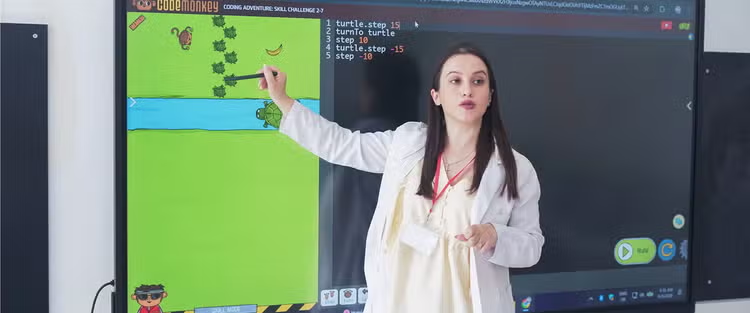
Teacher Anxhela Ndoj walks students at Vaçe Zela School in Tirana through a CodeMonkey assignment
World Bank
col-xs-12
col-sm-12
col-md-3
col-lg-3
col-xs-12
col-sm-12
col-md-7
col-lg-7
A Boost to Classroom Engagement and Learning
What difference has this approach made for students like Natan?
“When I was a student, learning was very traditional, with the teacher at the center of the classroom. When I became a teacher, we continued with the same approach with limited teaching tools,” explained Manuela Dobi, a primary school teacher at Bedrie Bebeziqi School, where Natan is enrolled
Today, the classrooms where Manuela teaches look very different. She’s learned new techniques and how to integrate digital tools like computers and tablets into her lesson plans and class activities, which are now more hands-on and focus on having students work together to solve challenges. “The training we received was extraordinary. Technology has helped make learning far more interactive. Students come into the classroom eager to learn and participate.”
Dije Zefi, the principal at Gjergj Kastrioti School in Lezhë, sees that same enthusiasm. “The moment students hear that a lesson will take place in the SmartLab, their response is ‘wow.’ They know they will use computers, explore new programs, and learn through games and quizzes.”
The new digital tools and interactive class activities are invigorating learning, sparking interest in new topics and getting more children involved
col-xs-12
col-sm-12
col-md-2
col-lg-2
col-xs-12
col-sm-12
col-md-6
col-lg-6
Default alt
col-xs-12
col-sm-12
col-md-6
col-lg-6
false
expert-quote, expert-quote-slider
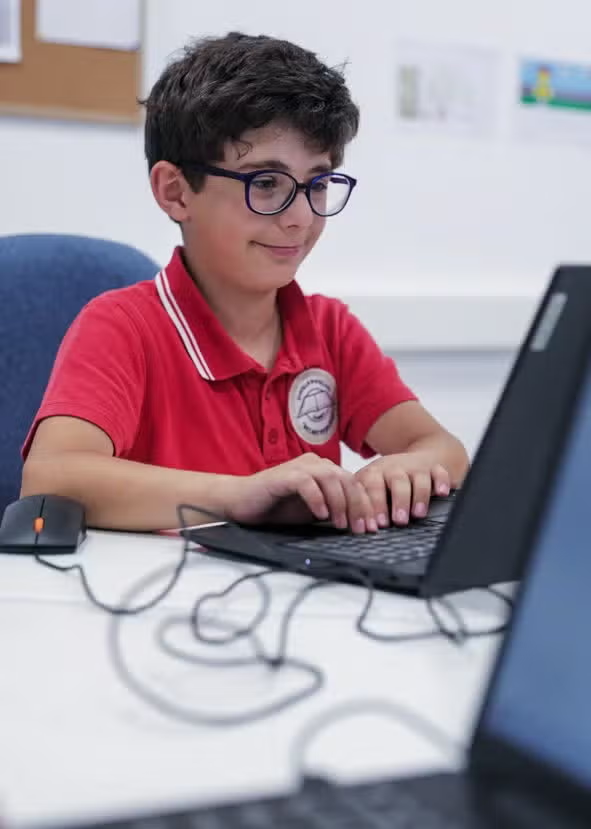
When I grow up, I want to become an engineer. I don’t think I will only use technology, I want to create new technologies and new platforms.
Natan Dume
Fourth grader
false
col-xs-12
col-sm-12
col-md-3
col-lg-3
col-xs-12
col-sm-12
col-md-7
col-lg-7
“We’ve especially noticed a change among students who are usually more passive in the classroom — they often become some of the most active students in the SmartLab. This transformation has only been possible through SmartLabs,” said Anxhela Ndoj, who teaches at Vaçe Zela School in Tirana.“Students are discovering their interests and strengths. And they’re beginning to think about their future. Many who are drawn to ICT and programming are starting to recognize their talents and see new opportunities for themselves.”
These facilities and digital tools have been particularly meaningful for students with disabilities, creating a more inclusive learning environment
“We have 15 students with disabilities in the early grades who particularly benefit from the SmartLab setting because it gives them more opportunities to express themselves and showcase their abilities. We see this in every lesson and in the excitement with which they welcome ICT classes in the lab,” explained Enkeleda Gorezi, the principal at Vaçe Zela School
col-xs-12
col-sm-12
col-md-2
col-lg-2
col-xs-12
col-sm-12
col-md-1
col-lg-1
col-xs-12
col-sm-12
col-md-11
col-lg-11
dynamic-media
https://delivery-p136806-e1377785.adobeaemcloud.com/adobe/assets/urn:aaid:aem:3132c1f5-8554-4bd6-bf12-f04e0f110f75/play?assetname=Vace-Zela-Tirana-SmartLab-Albania.mp4
worldbank/Vace-Zela-Tirana-SmartLab-Albania
https://worldbank.scene7.com/
worldbank/Vace-Zela-Tirana-SmartLab-Albania-AVS
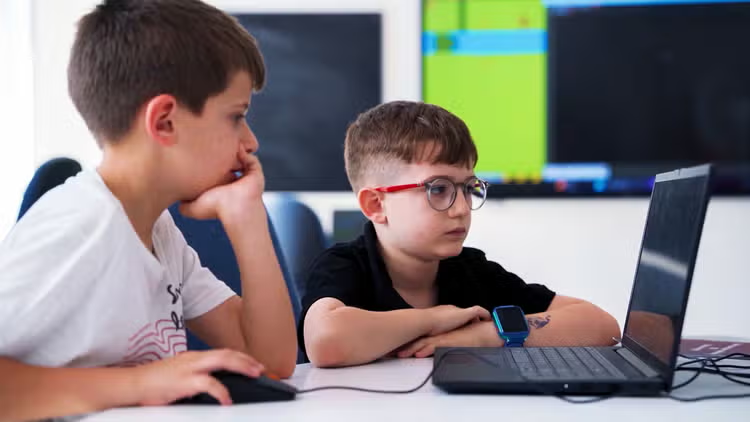
Students and teachers discuss the impact of the new SmartLab in Vaçe Zela School in Tirana
col-xs-12
col-sm-12
col-md-3
col-lg-3
col-xs-12
col-sm-12
col-md-7
col-lg-7
Results That Speak for Themselves
The changes taking place in Albania’s classrooms are already translating into measurable results. Students who only a few years ago had limited opportunities to engage with digital technologies in class are now confidently creating multimedia content and developing foundational coding skills
Among 5,000 first-grade students assessed in digital skills, coding, multimedia, and online safety, 96% met or exceeded the Ministry’s standards for digital competency. This foundation is not only strengthening digital literacy, but also sparking interest in technology, programming, and foreign languages — opening new doors for young students as they think about their futures
For parents like Gentian Dume, Natan’s father, the value of this approach is already clear. “The digital knowledge children are gaining through SmartLabs is extremely important for the job market — perhaps even indispensable.”
col-xs-12
col-sm-12
col-md-2
col-lg-2
col-xs-12
col-sm-12
col-md-1
col-lg-1
col-xs-12
col-sm-12
col-md-11
col-lg-11
Default alt
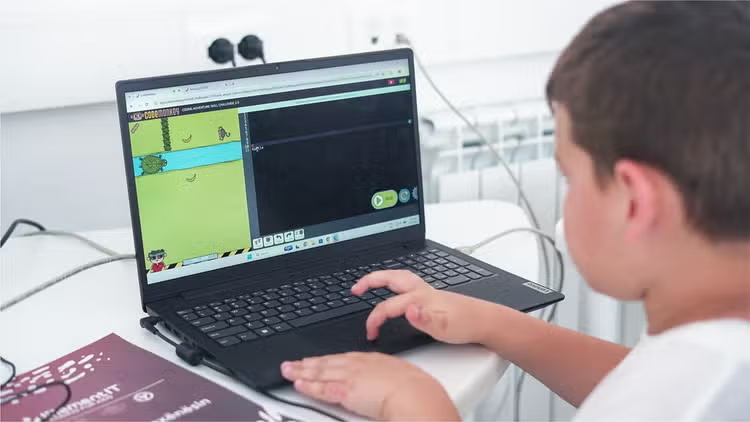
An elementary school student using a laptop to complete a programming assignment
World Bank
col-xs-12
col-sm-12
col-md-1
col-lg-1
everything
https://webapi.worldbank.org/aemsite/everything/search
true
{“facets”:[],”orderby”:”contentDate desc”,”select”:”*”,”searchFields”:”*”,”search”:”*”,”filter”:”contentType eq ‘Feature Story'”,”top”:20,”skip”:0}
4
yes
no
yes
more-on-this-topic
Related:
<a href="https://yoursite.com/automation-training-benin/” title=”Digital Automation Training Benin: 5 Winning Skills Employers Demand in 2026″>
Digital Automation Training Benin: 5 Winning Skills Employers Demand in 2026
<a href="https://yoursite.com/automation-africa/" title="WhatsApp Marketing Automation Africa: 6 Dangerous Mistakes Brands Make in Nigeria”>
WhatsApp Marketing Automation Africa: 6 Dangerous Mistakes Brands Make in Nigeria
Want to learn this practically?
Join Justfine Infotech and build real digital skills in AI, automation, web development, digital marketing, office productivity, e-commerce, freelancing and cybersecurity.
Available Programmes:
6 Weeks Certificate • 3 Months Professional Certificate • 6 Months Diploma • Full Professional Diploma
WhatsApp:
+229 01 57 57 99 15
+229 01 66 68 11 60
Source: www.worldbank.org


 English (UK)
  Français