

The Creator Economy
The case for and against the ‘programmatic-ification’ of the creator economy
• August 27, 2026 •
Ivy Liu
The creator economy is officially trying to build its own ad stack
It’s probably the most arresting signal that parts of the creator economy are starting to mirror the programmatic ad industry — at least at the infrastructure level.
Just look at LTK. The creator commerce platform this week rolled out its own AI-powered offering that allows marketers to structure campaigns, identify creators and recommend next steps.
LTK joins a growing list of companies aiming to automate influencer marketing. Meanwhile, holdcos and other companies have spent the last two years snapping up influencer companies for their tech.
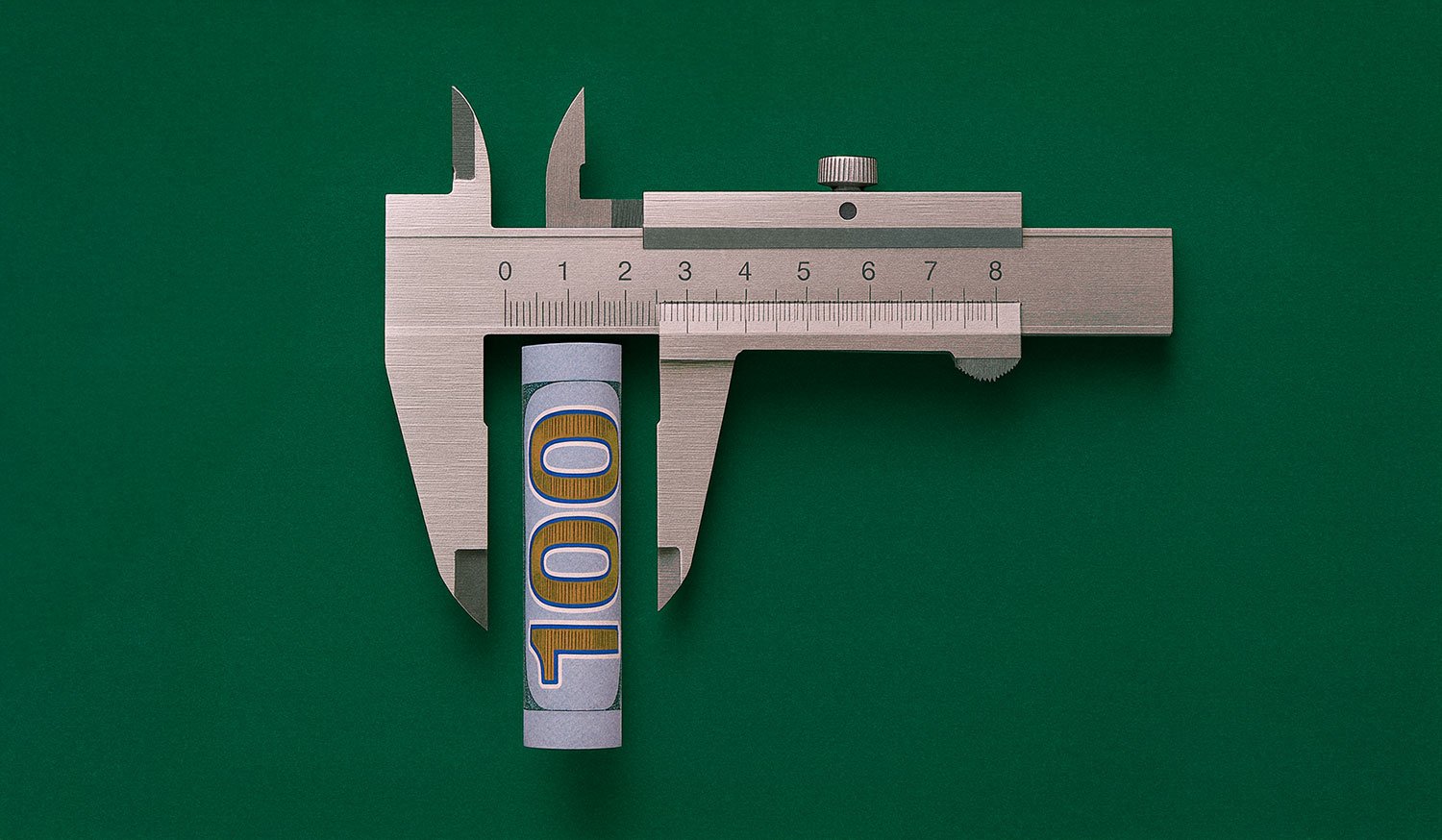
All signs point to an industry pivot toward the programmatic-ification of the creator economy. Platforms and AI are streamlining creator discovery, pricing, contracting, content production and measurement. But turning creators into standard, easy-to-buy ad inventory is easier said than done.
“This practice has always been some combination of art and science,” said Natalie Silverstein, chief innovation officer at Collectively. She later added, “…but the art is what makes it work.”
Here’s the case for and against a programmatic-style creator marketplace:
Marketers have been trying to get influencer and creator marketing down to a science. Hence the buffet of tech solutions cropping up for things like creator discovery, campaign management and measurement
There’s an efficiency play in these AI dashboards, agency execs say. These AI dashboards promise end-to-end management, allowing brands to work with many creators at one time as opposed to negotiating individual deals with single influencers. (In some cases, it may be necessary — as is the case with Unilever’s army of 300,000 creators.) They also promise to reduce fragmentation as an all-in-one system rather than brands working across various influencer platforms.
“The black box of millions of data points, once seemingly impossible to analyze, is now doable. And with that, brands and agencies are trying to pull apart why, what, and how creator marketing works,” Thomas Markland, founder of the global creator agency HYDP, told Digiday in an emailed statement.
Then there’s the discovery aspect. An automated system can pinpoint creator partners at scale, reducing the amount of hands on keyboards, per execs
And as more money flows into the creator economy, marketers are demanding reliable return on investment. Part of LTK’s pitch is its proprietary commerce intelligence, built on 15 years of data including 100-plus billion commerce signals, Amber Venz Box, LTK co-founder, told Digiday.
“You can target and buy contextually the audience the data, and you can even measure the performance of that,” said Gregory Curtis Jr., director of brand and growth at Empower Ocean Media Group. He later added, “The programmatic-ification of this actually measures the media value.”
The programmatic marketplace isn’t without its faults, like ad fraud, hidden supply chain costs, a surplus of ad tech fees and lack of placement transparency. As marketers hand over more of the influencer and creator marketing playbook to automated tools, they run the risk of recreating programmatic’s pitfalls.
Over-reliance on automation risks producing low-quality content, similar to the phenomenon of so-called AI slop, said Gabe Gordon, Reach Agency CEO.
“Creators are not interchangeable media inventory, and the industry risks automating away the very thing brands are buying: human trust and creative judgment,” Gordon added.
Automation and standardization stands to break the value exchange between creators and shoppers — shoppers trade their attention and trust for authentic product recommendations, education and entertainment. Consumers are more aware (and perhaps less tolerant) of when they’re being sold to.
The programmatic ad market was built on the concept of standardization. That doesn’t exist across the length of the creator economy. Affiliate or sponsored content, where brands aim to “scale word of mouth” works for programmatic-style creator marketing, according to Collectively’s Silverstein
It’s harder to standardize bespoke creator-led campaigns across various niches and platforms. The industry doesn’t have a standard creative unit to automate and measure like the programmatic ad market does, Gordon said, adding to Silverstein’s point
“A creator partnership can become a sponsored post, an original entertainment series, a product collaboration, an affiliate relationship, a live experience or a long-term spokesperson role,” Gordon said.
More in Marketing
View More

Marketing on Platforms
Three years after Kokai, The Trade Desk is betting on refinement with Zuma
August 27, 2026
The Trade Desk wants Zuma — the next version of its programmatic platform, Kokai — to be easier to use, and even harder to leave

Agency Culture
‘Inside, most of them are dumpster fires’: Confessions of a frustrated indie agency ad exec
August 27, 2026
From surprise corporate card cancellations to phantom return-to-office mandates, one former indie agency exec talks about the chaos behind the scenes

Member Exclusive
Digiday+ Research: The marketers’ 2026 guide to retail media marketing, including The Home Depot, Milani Cosmetics and Tinuiti
August 26, 2026
As the retail media landscape continues to evolve, marketers are rethinking where they invest, how they measure success and which retail media networks deserve a larger share of budget
Related:
Digital Automation Training Benin: 5 Winning Skills Employers Demand in 2026
<a href="https://yoursite.com/automation-africa/" title="WhatsApp Marketing Automation Africa: 6 Dangerous Mistakes Brands Make in Nigeria”>
WhatsApp Marketing Automation Africa: 6 Dangerous Mistakes Brands Make in Nigeria
Want to learn this practically?
Join Justfine Infotech and build real digital skills in AI, automation, web development, digital marketing, office productivity, e-commerce, freelancing and cybersecurity.
Available Programmes:
6 Weeks Certificate • 3 Months Professional Certificate • 6 Months Diploma • Full Professional Diploma
WhatsApp:
+229 01 57 57 99 15
+229 01 66 68 11 60
Source: digiday.com