

Table of Contents
It’s time to pull the ripcord on creating content for content’s sake
We hear the same sentiment again and again (and again): social media saturation is leaving audiences overwhelmed and social media professionals burnt out. Like the number of tabs open in my Chrome browser, keeping up with all the information in our social feeds is unsustainable
Today, more than 5.5 billion people use social media worldwide, with the average person spending around two hours and 20 minutes on social networks every day
Audiences are everywhere and seemingly nowhere, as network algorithms surface content based on interests rather than tangible connections. The rapid fire pace of trend and meme culture, paired with a stream of AI-generated content flooding feeds, has created a ceiling on the volume of content people are mentally and emotionally able to process
We examined how BMC used social intelligence to overcome social media saturation and how brands can build strategies rooted in the quality content that earns audience attention
Why we’re at peak social media saturation
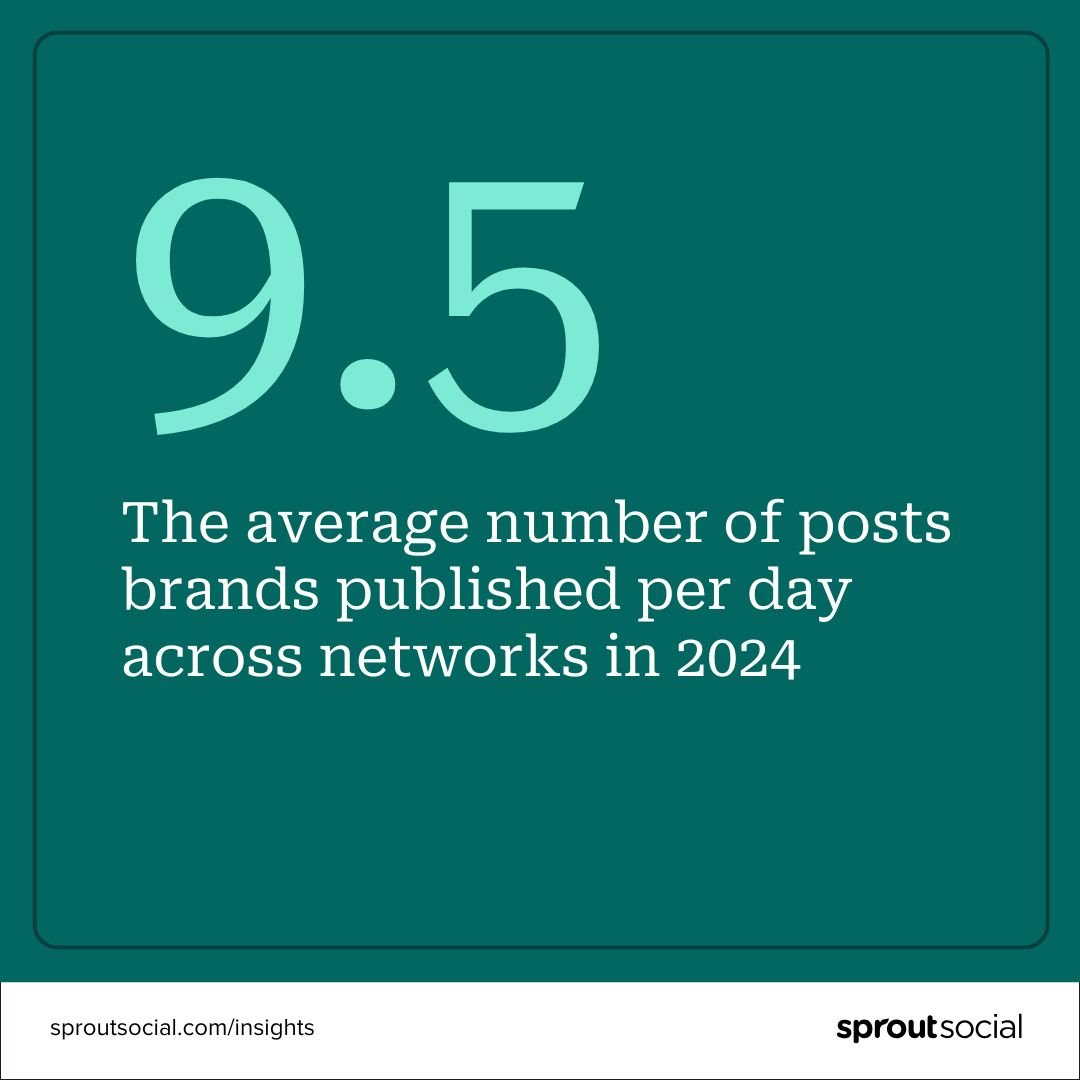
As so much about the social media landscape changes, the one constant is content—and a lot of it. On average, brands published 9.5 posts per day across networks in 2024, according to Sprout’s 2025 Content Benchmarks Report. For certain industries, that number doubles and even quadruples
Let’s look deeper at what’s contributing to the challenge:
Content production pressures
It’s impossible for consumers to actively engage with all of the social content they see. Literally: One research team found humans’ screen attention spans dropped from 2.5 minutes in 2004 to 47 seconds in 2023
The irony is, as trends move faster and audiences flock to short-form content formats, the pressure to churn out a higher volume of posts intensifies. The sheer number of accounts competing for users’ fleeting attention exacerbates this dynamic
Brands are constantly feeling the pressure to do more. It’s the same reason 87% of marketers said they planned to expand their presence to new social networks in The 2026 Social Media Content Strategy Report. Declining engagement rates highlight a need to connect with audiences, and while the path of least resistance may look like churning out more content in more places, in reality it’s only adding to the social media noise.
AI’s impact on social media feeds
Bots have been crashing the comments section on social for years. But now AI slop is flooding the zone
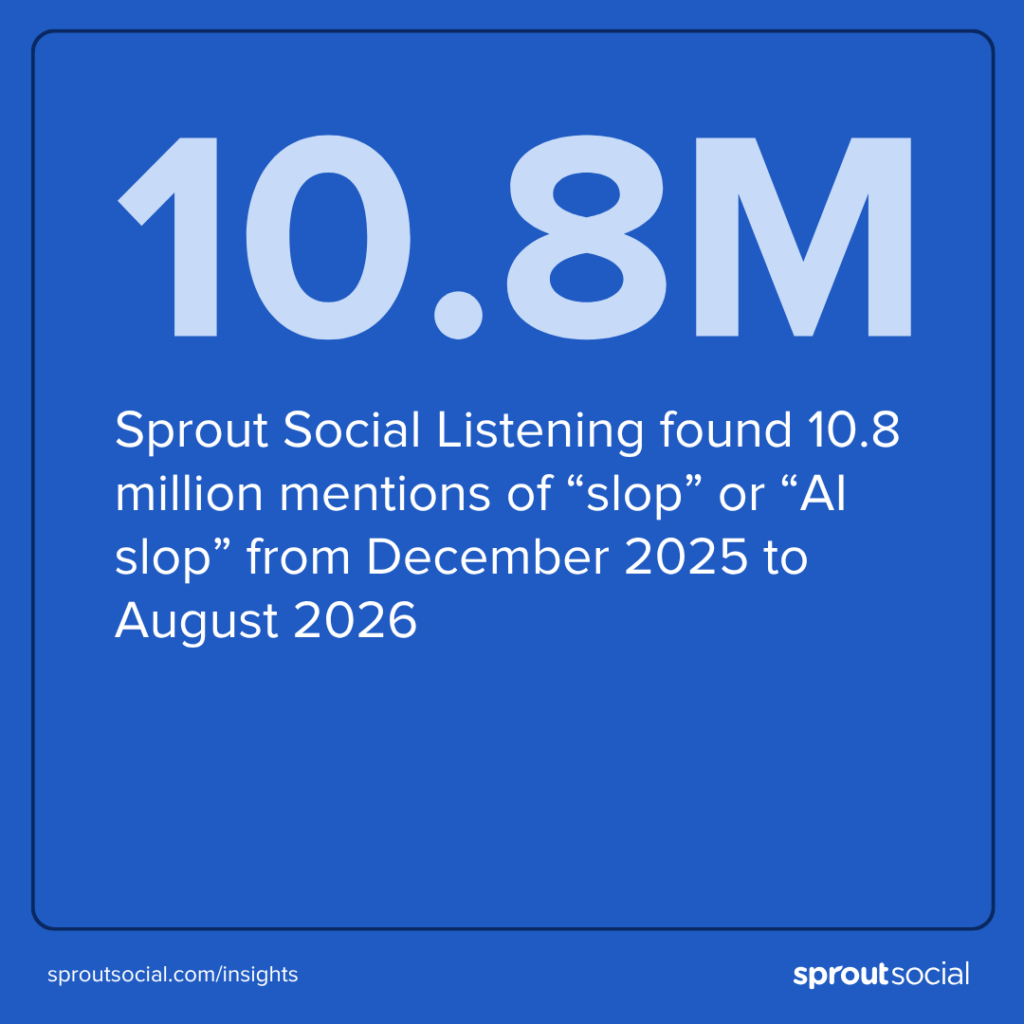
From December 2025 to August 2026, Sprout Social Listening found more than 10.8 million mentions of “slop” or “AI slop” circulating on social. This doesn’t even account for the actual volume of slop posts themselves—only for the conversation around it. That signal alone tells us how inundated our feeds have become with subpar content
And in less than one month since launching their “seems like AI slop” button, LinkedIn reports more than 1 million people have already flagged content as AI slop
From a brand safety standpoint, this also means marketers will increasingly have to juggle their own content production on top of monitoring feeds for misinformation about their businesses
Platform uncertainty
Today’s social media ecosystem is fragmented across networks with unique algorithms and audiences. How consumers use each to meet their needs for connection and consumption is always evolving
The last few years alone have seen the emergence (and quick decline) of networks like BeReal, along with steady growth of alternatives like Threads, Bluesky and Mastodon. Pair that with constant changes to network features and algorithms that decide what content formats will be served up the most, and it raises questions around what will resonate today and how that may change tomorrow
How one Sprout Social customer led with resonance to break through social saturation
In a saturated landscape, less can be more. A focus on quality can pivot a brand’s posts from those that fade into the feed to the timely moment that captures attention. Here’s how one brand used Sprout Social to pinpoint what their audience wanted more of, then acted on it
BMC moved from daily posting to insight-led storytelling
BMC’s lightbulb moment came when social data revealed their thought leadership content consistently resonated with BMC’s audience. Rather than one-off promotions of specific assets, their engagement metrics told a story of resonance when they connected posts to industry trends, customer challenges or BMC’s specific point of view
This pushed the team to rethink how they were using social media channels, and how they could evolve their storytelling to match audience interests. Social data revealing the value of thought leadership led to a strategy reset where BMC launched The BMC Briefing, a monthly LinkedIn newsletter packaging product education, customer stories and industry perspectives into an editorial experience. The newsletter became a primary channel for brand narrative, moving the team away from daily posting goals toward intentional, insight-led storytelling.
What your brand can do to overcome social media saturation
The challenge of social media saturation isn’t going anywhere. AI technologies will continue their ascent and the platform landscape will continue to diversify, regardless of whether marketers are ready. What social teams can do, however, is adopt new rituals to improve their odds of cutting through the noise
Invest in original content
According to Sprout’s Q3 2026 Pulse Survey, one-third of customers say the originality of a brand’s content is what makes them stand out as a favorite on social media, second only to the quality of their products and services
Original thought is the only way to stand out in a world of slop. It’s why brands like Awayand Nuuly are producing microdramas, a unique way to highlight their products while serving as a form of escapism for an audience flooded with brand content that all sounds the same
Lean into your brand’s differentiators and create something that your competitors can’t
Calibrate your content around audience preferences
The first step to capturing your audience’s attention is to deeply understand what they want to consume
For example, with almost every network supporting a menu of video options, social teams have to get even more precise with where they post, the length of their content and whether it’s grid-worthy
According to Sprout’s Q1 2026 Pulse Survey, when videos longer than one minute are served in the Instagram or TikTok feed, Gen Z rarely skips them immediately (14%) while Baby Boomers are the generation most likely to swipe to the next post (33%). But overall, 44% of consumers say they would watch longer content if the first five seconds are engaging
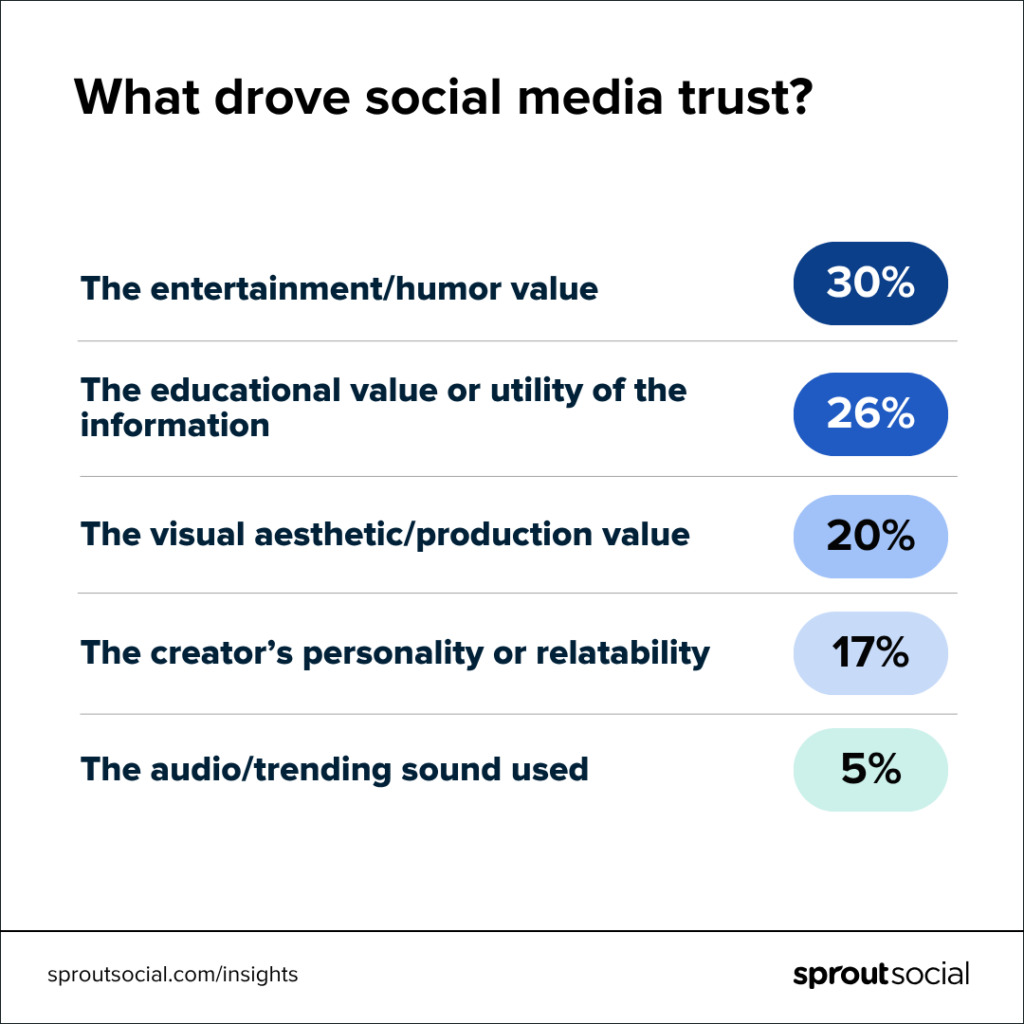
And across generational divides, people still want to be entertained and educated on social media the most, making edutainment posts a mainstay in a fleeting world. Knowing your audience and their preferences is key to investing in the right formats
Align audience interests to cultural moments
This is a topic where the pendulum continues to swing: should brands keep up with cultural moments?
The verdict is in: yes
Our Q3 2026 pulse survey found that 84% of consumers surveyed either strongly or somewhat agree it’s important for companies’ social media content to keep up with online culture
But your brand has to strike a balance when trendjacking. Not every moment is the right fit for your brand, and jumping in on a trend when it’s not a good fit only adds to the slop. Take a data-first approach and use social intelligence to understand what your audience is talking about, the topics that resonate, and the moments that could create brand harmony. Avoid all the rest
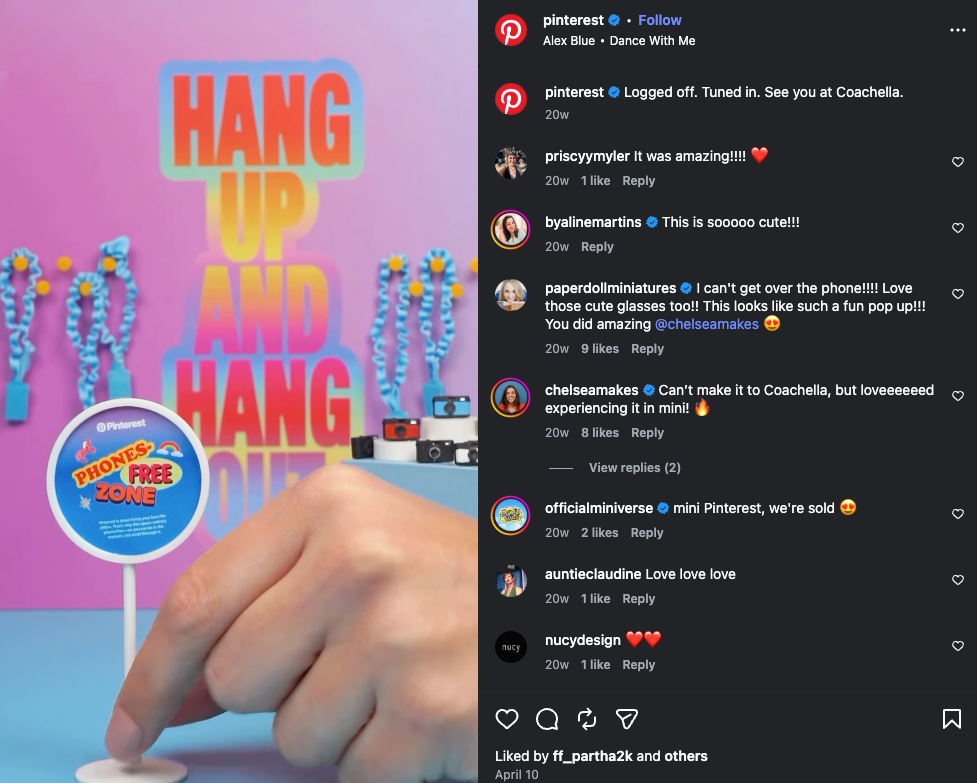
Take Pinterest’s IRL activation at Coachella as an example. Pinterest could have taken the easy route and created a digital experience for their activation at Coachella, but instead, they leaned into the “analog aesthetic” trend popping up on their own network, with searches for the term up more than 260%. They created a phone-free experience with custom charm making, beauty touchups and junk journaling. It was a fresh take on a trend, but they made it unique to their brand.
Redefine how you measure success
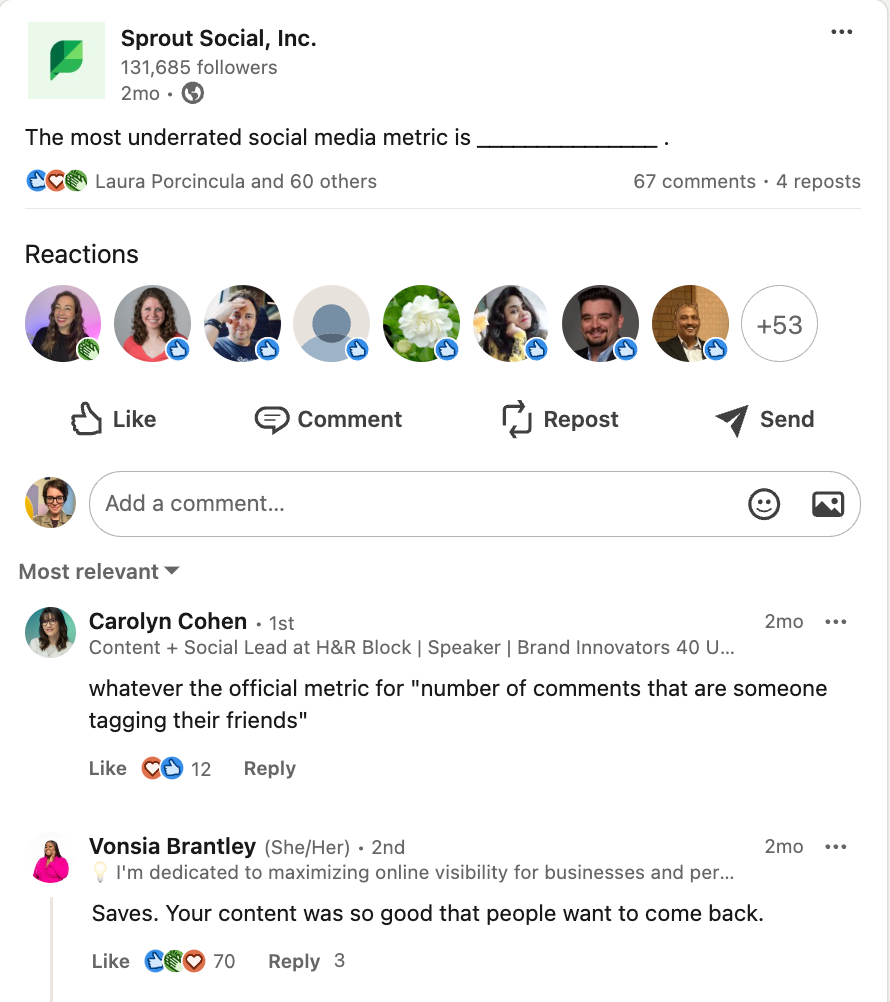
As social platforms continue to test the limits of just how much content audiences can process, now may also be a good time to advocate for new social success metrics. Our Index data shows that most marketers already prioritize engagement metrics (shares, comments, etc.) over reach and impressions. After all, what’s more valuable: someone seeing your post and scrolling on, or someone finding it so relevant they tag a friend in the comments?
Social teams can use this over-saturated moment to make the case for setting more targeted community growth and engagement goals (rather than reaching a certain number of eyeballs)
Social media saturation is a challenge—and an opportunity
Today’s social platforms are more nuanced, and the people who use them are more plugged in than ever before
As a result, brands have to be even more strategic—and flexible—to ensure their investments in social pay off
Despite the obstacles social media saturation presents, it also gives social teams an opportunity to reset their content strategies altogether. Run a short-term experiment to test the impact of lowering production volume and creating more original content. Prioritize a new approach to entertain your audience, or a new way to relate to a trend
Social media may run on algorithms, but finding success is anything but formulaic
For more inspiration to break through an increasingly crowded space, check out our social media inspiration worksheet
FAQs
What is social media saturation?
Social media saturation is the point at which the volume of content published to social feeds outpaces audiences’ capacity and willingness to consume it. The result: more content produced, less attention per post and declining returns on every additional post
Is social media marketing saturated?
Yes, organic social is oversaturated by any measure of per-post return. Engagement rates have declined across nearly every major network while content volume has held or risen. But “oversaturated” doesn’t mean ineffective; it means the cost of attention has gone up and undifferentiated content no longer clears the bar
How much content are brands publishing on social media?
Brands publish an average of9.5 posts per day across networks, per Sprout’s 2025 Content Benchmarks Report. Consumer-facing industries publish far more and media brands averaged 64 posts per day
How can brands overcome social media saturation?
Stop competing on volume and compete on specificity. The tactics that work in a saturated feed are: fewer, more original posts; serialized content built around recognizable people; genuine two-way engagement; and success metrics based on resonance rather than reach
En rapport:
<a href="https://yoursite.com/automation-training-benin/” title=”Formation en automatisation numérique au Bénin : 5 compétences gagnantes que les employeurs recherchent en 2026″>
Formation en automatisation numérique au Bénin : 5 compétences clés recherchées par les employeurs en 2026
Vous souhaitez apprendre cela de manière pratique ?
Rejoindre Justfine Infotech and build real digital skills in AI, automation, web development, digital marketing, office productivity, e-commerce, freelancing and cybersecurity.
Programmes disponibles :
Certificat de 6 semaines • Certificat professionnel de 3 mois • Diplôme de 6 mois • Diplôme professionnel complet
WhatsApp :
+229 01 57 57 99 15
+229 01 66 68 11 60
Source: sproutsocial.com


 English (UK)
  Français