

WhatsApp marketing automation Africa brands misuse is killing engagement. Learn 6 dangerous mistakes Nigerian SMEs make and how to fix them fast.
Table of Contents
Introduction: Why WhatsApp Is Quietly Hurting Nigerian Brands
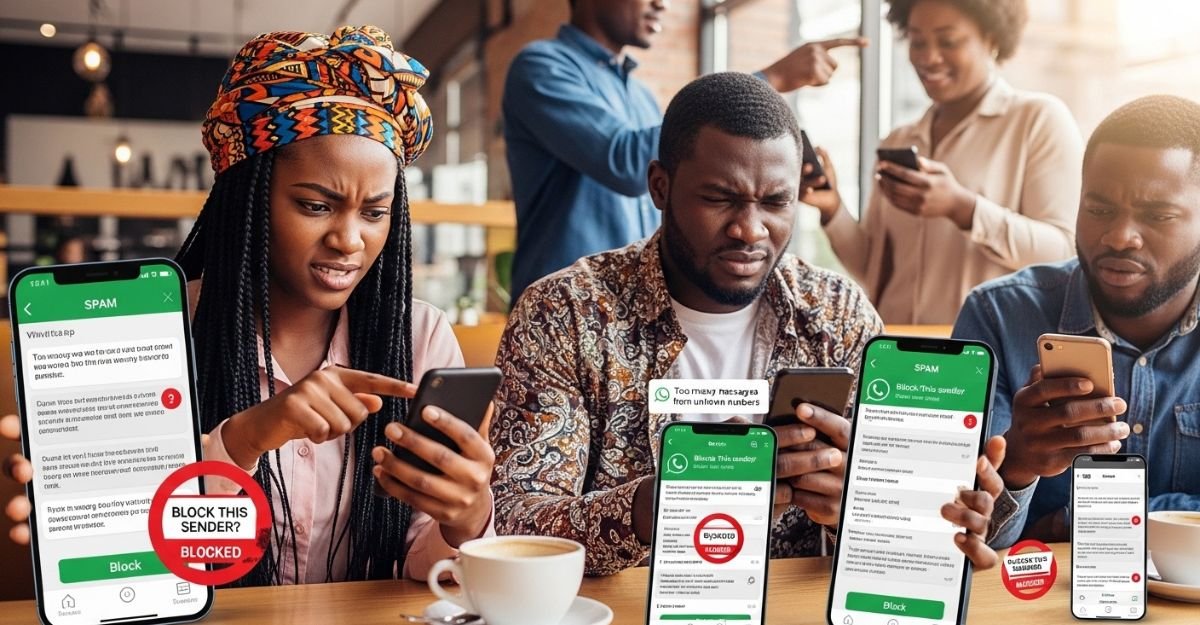
WhatsApp is Africa’s most powerful marketing channel—but also the most abused. In Nigeria, customers rely on WhatsApp to communicate with banks, schools, logistics companies, retailers, and service providers. Yet many brands are burning trust through poor automation practices.
WhatsApp marketing automation Africa strategies promise scale, speed, and revenue. But when executed badly, they trigger blocks, low engagement, and permanent brand damage. Nigerian SMEs are learning this the hard way.
The danger isn’t automation itself. The danger is misusing it.
WhatsApp Misuse Issues Facing Nigerian Businesses
Across Nigeria, customers complain about spammy messages, irrelevant broadcasts, and robotic replies. These issues are not accidental—they come from broken automation strategies.
Common Misuse Patterns
- Bulk messaging without consent
- No segmentation or personalization
- Bots replacing humans entirely
- Zero performance tracking
Africa digital marketing is shifting toward permission-based, conversational engagement. Brands that fail to adapt are quietly losing customers.
Automation Compliance Basics Nigerian Brands Ignore
Before deploying automated WhatsApp campaigns, compliance must come first.
What Compliance Really Means
- Opt-in before messaging
- Clear brand identification
- Easy opt-out options
- Respect for messaging frequency
WhatsApp enforces strict rules, and Nigerian businesses risk account bans when they ignore them. Messaging automation SMEs must be built on trust, not shortcuts.
The 6 Dangerous Mistakes Brands Make with WhatsApp Automation
Below are the most damaging errors Nigerian brands make when deploying WhatsApp marketing automation Africa systems.
1. Treating WhatsApp Like Bulk SMS
WhatsApp is conversational, not broadcast-only.
Brands that blast identical messages to thousands of contacts see:
- Rapid blocks
- Declining open rates
- Account restrictions
Customer engagement bots must feel human, contextual, and helpful—not intrusive.
2. Automating Without Clear Customer Intent
Many brands deploy automation without mapping customer journeys.
This leads to:
- Wrong messages at the wrong time
- Frustrated customers
- Lost sales opportunities
Effective WhatsApp marketing automation Africa strategies align automation with intent—support, sales, updates, or education.
3. Ignoring Segmentation and Personalization
Sending the same message to everyone kills engagement.
Automated WhatsApp campaigns should segment users by:
- Purchase history
- Inquiry type
- Location
- Engagement behavior
Nigerian SMEs that personalize messages consistently outperform competitors.
4. Over-Automating Customer Conversations
Automation should assist humans—not replace them completely.
Danger signs include:
- Bots handling complaints poorly
- No human escalation path
- Endless automated loops
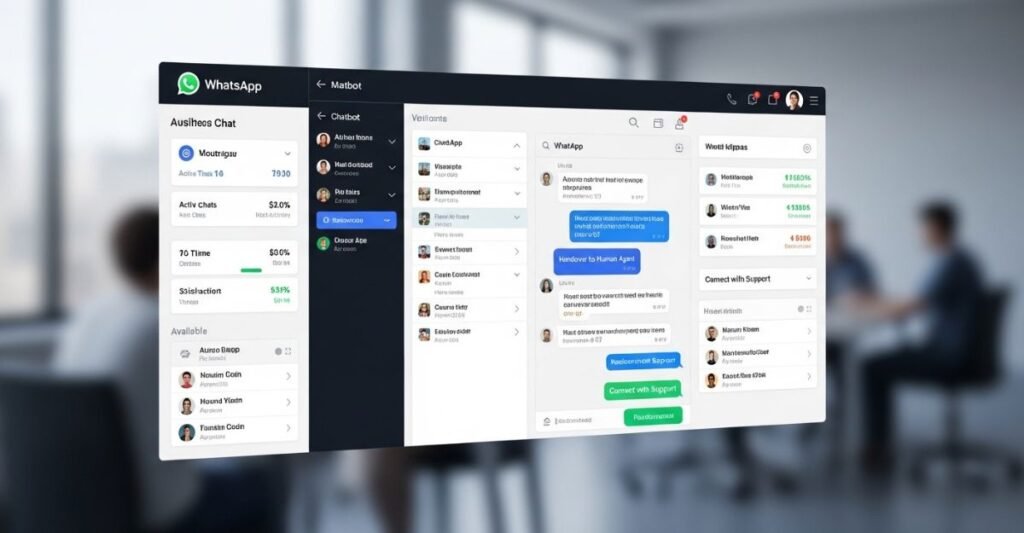
Customer engagement bots must know when to hand over to a human agent to preserve trust.
5. Failing to Track Engagement Metrics
Many Nigerian brands automate blindly.
Without tracking:
- Open rates
- Response times
- Conversion actions
Brands cannot improve performance. Messaging automation SMEs that measure engagement recover faster and scale smarter.
6. Using Non-Compliant or Fragile Tools
Cheap or unofficial tools are tempting—but dangerous.
Risks include:
- WhatsApp number bans
- Data loss
- Broken automations
Africa digital marketing success depends on stable, compliant automation platforms designed for scale.
How Nigerian Brands Recover Engagement After Mistakes
The good news? Engagement can be rebuilt.
Recovery Steps That Work
- Pause aggressive broadcasts
- Reconfirm customer opt-ins
- Redesign conversational flows
- Reintroduce human touchpoints
Brands that realign WhatsApp marketing automation Africa strategies around value and consent see engagement rebound within weeks.
Best Practices for Safe, Profitable WhatsApp Automation

To win long-term, Nigerian SMEs should follow proven best practices.
High-Impact Best Practices
- Start with customer journeys
- Automate repetitive, not emotional tasks
- Segment aggressively
- Monitor performance weekly
- Use local automation partners
These practices turn WhatsApp from a risk into a revenue engine.
👉 Want to see compliant, high-converting WhatsApp automation in action? Book a Live Demo with Justfine Infotech and explore safe automation built for Nigerian businesses.
Why Nigerian SMEs Trust Justfine Infotech
Justfine Infotech builds WhatsApp marketing automation Africa solutions tailored for Nigerian SMEs—integrating compliance, personalization, and real business workflows.
From customer support bots to automated WhatsApp campaigns, solutions are designed to protect brand reputation while driving growth.
Conclusion: Automate Smart or Pay the Price
WhatsApp remains Africa’s most powerful engagement channel—but only for brands that respect how customers use it.
The six mistakes above are avoidable. Nigerian brands that automate responsibly enjoy higher engagement, stronger trust, and sustainable growth.
🚀 Ready to fix or launch your WhatsApp automation the right way? Book a Live Demo with Justfine Infotech today.
AI Image Prompts
Image 1
- Description: Nigerian customers blocking spam WhatsApp messages on smartphones
- Placement: Introduction section
- ALT Text: WhatsApp marketing automation Africa mistakes affecting Nigerian brands
Image 2
- Description: WhatsApp chatbot with human handover interface on a business dashboard
- Placement: Mistakes section
- ALT Text: Customer engagement bots with human escalation for SMEs
Image 3
- Description: Marketing team reviewing WhatsApp campaign engagement analytics
- Placement: Best practices section
- ALT Text: Automated WhatsApp campaigns analytics for Nigerian SMEs